Mapping Reward Progressions in Digital Gaming: Transitioning from No-Deposit Spins to Matched Deposits Using Platform-Specific Codes Across Regulated Environments
Written by Alex Simon · Aug 20, 2026
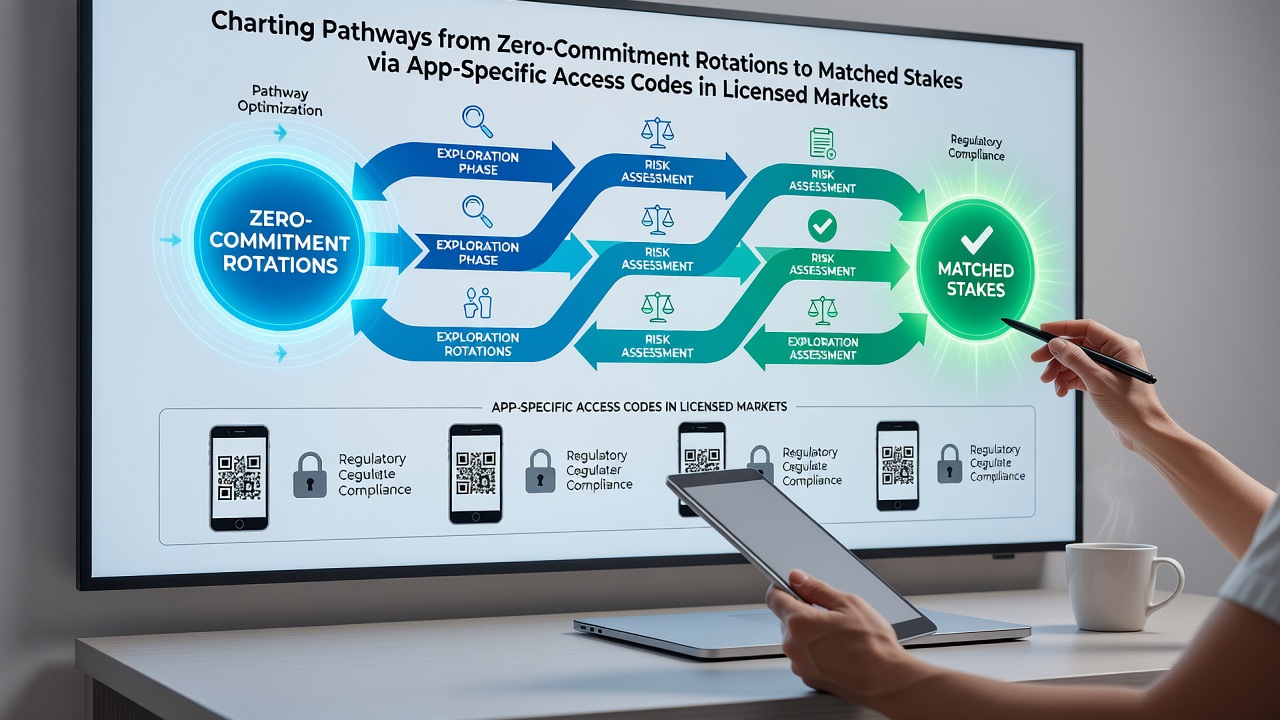
Mapping Reward Progressions in Digital Gaming: Transitioning from No-Deposit Spins to Matched Deposits Using Platform-Specific Codes Across Regulated Environments
Digital gaming platforms in regulated jurisdictions continue to refine mechanisms that allow players to move from no-deposit rotations into matched stake opportunities through targeted access codes delivered via dedicated mobile applications, and data from multiple oversight bodies shows steady adoption rates across North American and European markets as of August 2026.
Core Mechanics of Progressive Reward Pathways
Operators structure these sequences so that initial zero-commitment spins activate upon code entry within an app environment, after which additional verification steps unlock deposit match tiers that scale according to player activity levels, while regulatory frameworks in places such as Ontario and the Netherlands require transparent disclosure of each stage before participation begins. Research from the University of Nevada's International Gaming Institute indicates that such layered systems maintain compliance records when access codes remain tied to device-specific authentication protocols that prevent cross-platform duplication.
App-Specific Access Codes and Their Implementation
App-specific codes function as unique identifiers generated for individual mobile sessions, and these strings typically expire within a set window to encourage immediate engagement while directing users toward verified deposit portals that trigger match percentages ranging from 50 to 200 percent depending on jurisdiction rules. Observers note that integration with biometric login features in licensed apps reduces friction during the transition from free rotations to paid stakes, and figures released by iGaming Ontario reveal that code redemption rates climbed noticeably in the first half of 2026 as more platforms adopted unified wallet systems.
Regulatory Context in Licensed Markets During August 2026
Multiple jurisdictions updated their digital gaming guidelines around August 2026 to address code distribution practices, and authorities in Australia through the Australian Communications and Media Authority emphasized that promotional sequences must separate no-deposit elements from deposit requirements to avoid misleading claims. Those frameworks also mandate audit trails for every code issued, which allows regulators to verify that pathways do not bypass age or location checks embedded in the app infrastructure.
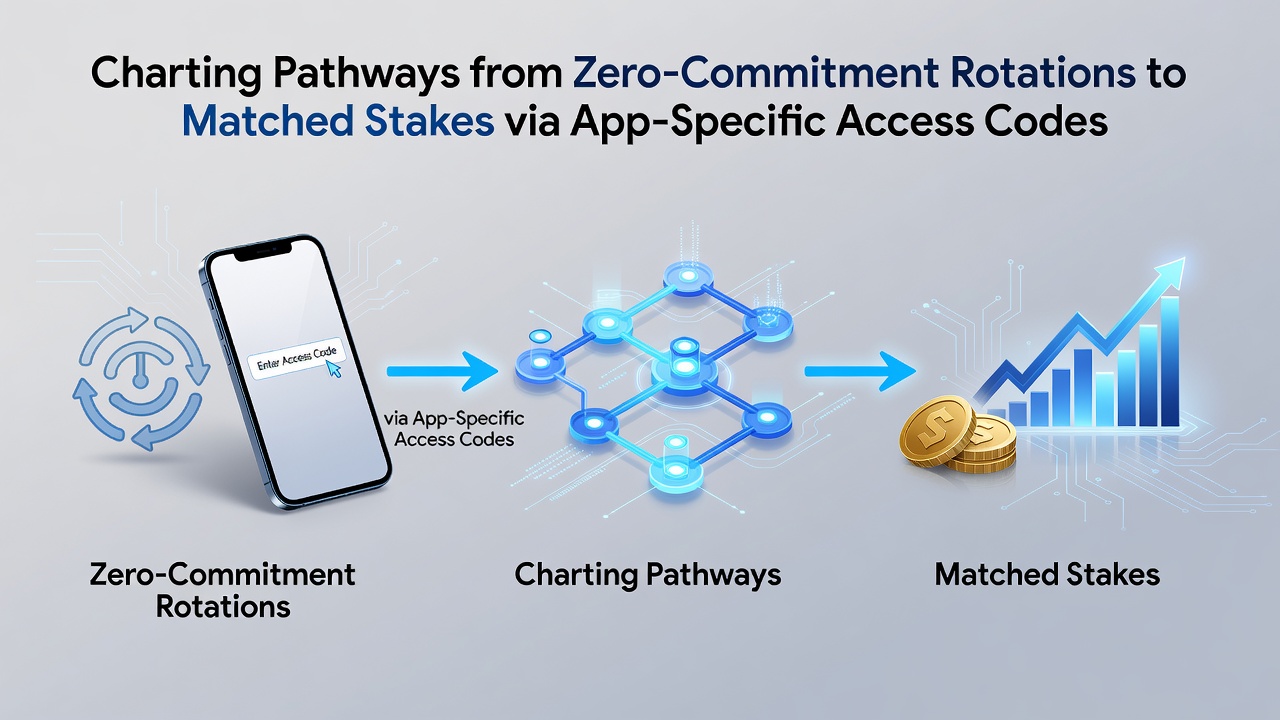
Player Journey Examples Across Jurisdictions
One documented pattern shows users in Canadian provinces entering a code for initial free rotations, completing a short verification loop inside the app, then receiving an automated prompt for a matched deposit that activates only after the free allocation reaches zero, and similar sequences appear in reports covering Dutch operators where code validity ties directly to session logs. Data compiled by the Netherlands Gambling Authority demonstrates that these controlled transitions correlate with lower dispute volumes compared to earlier unstructured bonus models.
Technical Safeguards and Data Tracking
Platform developers embed encryption standards within app code delivery systems to ensure each access string links to a single user account, and this approach prevents sharing while generating real-time reports for compliance teams. Studies conducted by academic researchers at McGill University highlight that biometric and device fingerprinting combinations further secure the pathway from zero-commitment play into matched stake phases without introducing additional latency for the end user.
Market Statistics and Adoption Trends
Industry reports covering the period through August 2026 show increased download volumes for apps that feature progressive code systems, and aggregate figures indicate that players who complete the full sequence from free rotations to matched deposits tend to maintain longer account activity spans across multiple licensed regions. Cross-border comparisons reveal variations in match percentages tied to local tax structures, yet the underlying code mechanics remain consistent in requiring sequential unlocking steps.
Conclusion
Pathways that connect no-deposit rotations to matched stakes through app-specific access codes continue to evolve within licensed markets as operators align technical implementations with regulatory expectations, and ongoing data collection from bodies such as iGaming Ontario and the Australian Communications and Media Authority supports continued refinement of these sequences to maintain transparency and security standards across jurisdictions.