Mathematics of Bonus Turnover Calculations in Online Gaming Venues
Written by Cameron Albrecht · Aug 22, 2026

Mathematics of Bonus Turnover Calculations in Online Gaming Venues
Online entertainment venues apply specific formulas to determine how much players must wager before converting bonus funds into withdrawable cash, and these calculations rest on straightforward multiplication combined with game contribution percentages that vary by title type.
Core Formula Structure
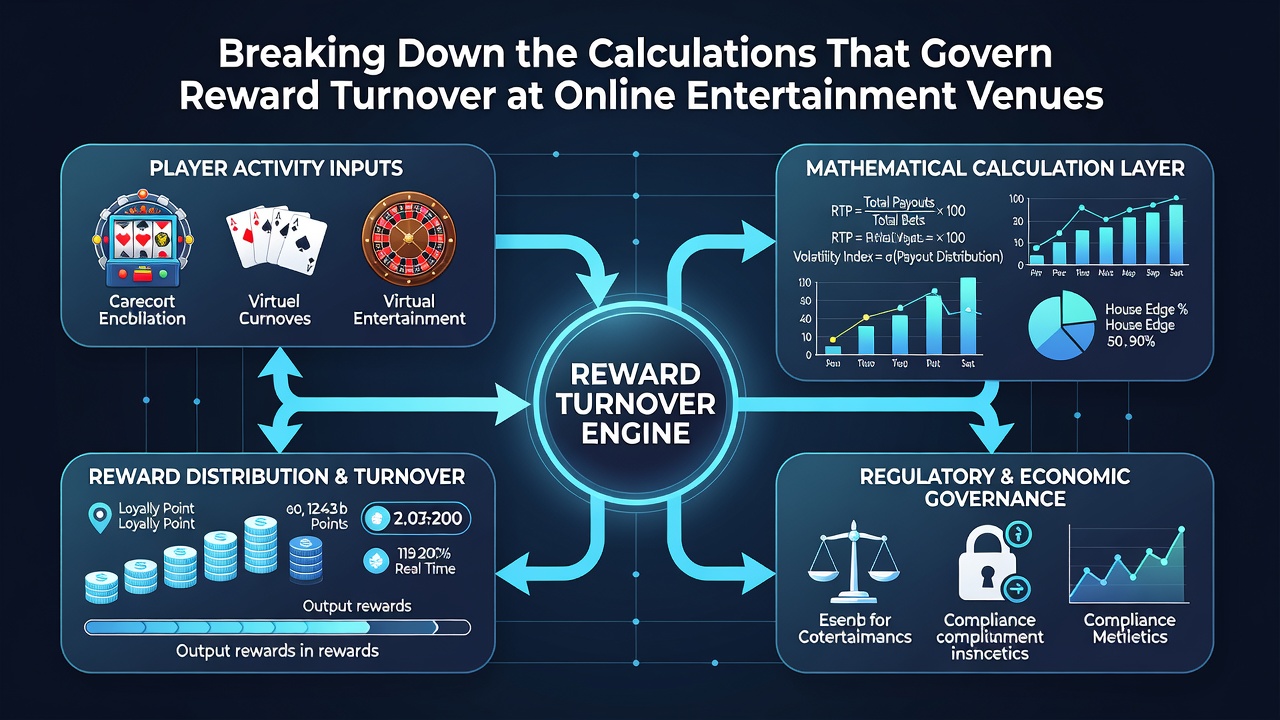
Operators define turnover requirements through a base equation where the bonus amount multiplies by a predetermined factor, often ranging from 20x to 50x, yet the actual figure players encounter depends on how each game contributes toward that total because slots typically count at 100 percent while table games like blackjack contribute only 10 to 20 percent.
Data from regulatory filings shows that contribution rates prevent players from completing requirements too quickly on low-house-edge games, and this structure maintains the economic balance operators need to offer promotions without immediate cashouts.
Game Contribution and Weighted Play
Most platforms publish detailed contribution tables that assign percentages to different categories, and observers note that video poker might register at 50 percent while live dealer roulette sits near 20 percent, which means a player who deposits and receives a 100 dollar bonus at 30x faces a 3000 dollar wagering target that shrinks or grows based on the mix of games selected.
Those who study these systems find that progressive jackpot slots sometimes count at reduced rates because their payout structures include rare large wins that operators must account for in risk models.
Time Limits and Expiration Mechanics
Turnover calculations incorporate time windows that usually span 7 to 30 days, and any unfulfilled amount expires once the period closes, which means the mathematical target remains fixed while the available window creates an additional constraint that affects completion probability.
Research indicates that shorter windows correlate with higher effective house edges because fewer spins or hands fit inside the limit, and platforms adjust these parameters seasonally to manage overall bonus liability.
Regional Regulatory Influences on Calculations
Agencies outside the UK set their own parameters around bonus structures, and the Nevada Gaming Control Board requires operators to disclose exact contribution percentages in player terms, which creates transparency that lets users calculate realistic completion odds before accepting offers.
Australian state regulators similarly mandate clear language on how turnover accumulates across game types, and industry reports from the Victorian Responsible Gambling Foundation track how these rules affect average play duration and bonus conversion rates across licensed sites.
Volatility and Completion Probability Models
Advanced calculations incorporate slot volatility indices because high-volatility titles produce larger but less frequent wins that can accelerate or stall progress toward the target, whereas low-volatility games deliver steady small returns that accumulate steadily but slowly.
Analysts at research institutions such as the National Council on Problem Gambling have modeled these patterns and found that players who combine medium-volatility slots with contribution-maximizing selections reach turnover thresholds more consistently than those who chase progressives exclusively.
August 2026 Platform Updates
Several major operators announced adjustments to their turnover multipliers in August 2026, shifting certain live casino titles from 10 percent to 15 percent contribution after internal data revealed faster clearance rates than anticipated, and these changes reflect ongoing refinements operators make when balancing promotional costs against player retention metrics.
Practical Calculation Examples
Consider a 50 dollar bonus with a 40x requirement on a platform where slots contribute fully and blackjack contributes 15 percent: the raw target equals 2000 dollars, yet mixing 70 percent slots with 30 percent blackjack raises the effective amount needed because only a fraction of blackjack wagers counts, which pushes the real figure closer to 2400 dollars in total play volume.
Players who track these ratios in real time often adjust their game selection mid-session to optimize progress, and software tools provided by some venues display live contribution percentages to support such decisions.
Conclusion
Turnover calculations at online entertainment venues combine fixed multipliers with variable contribution rates, time constraints, and game-specific volatility factors that together determine how quickly any given bonus converts to cash, and regulatory disclosures across multiple jurisdictions continue to standardize how these elements appear to users so that the underlying mathematics remain accessible rather than opaque.