Progressive Reward Ladders Shape Engagement Trends Across UK Slot Applications
Written by Eden Hughes · Aug 6, 2026
Progressive Reward Ladders Shape Engagement Trends Across UK Slot Applications
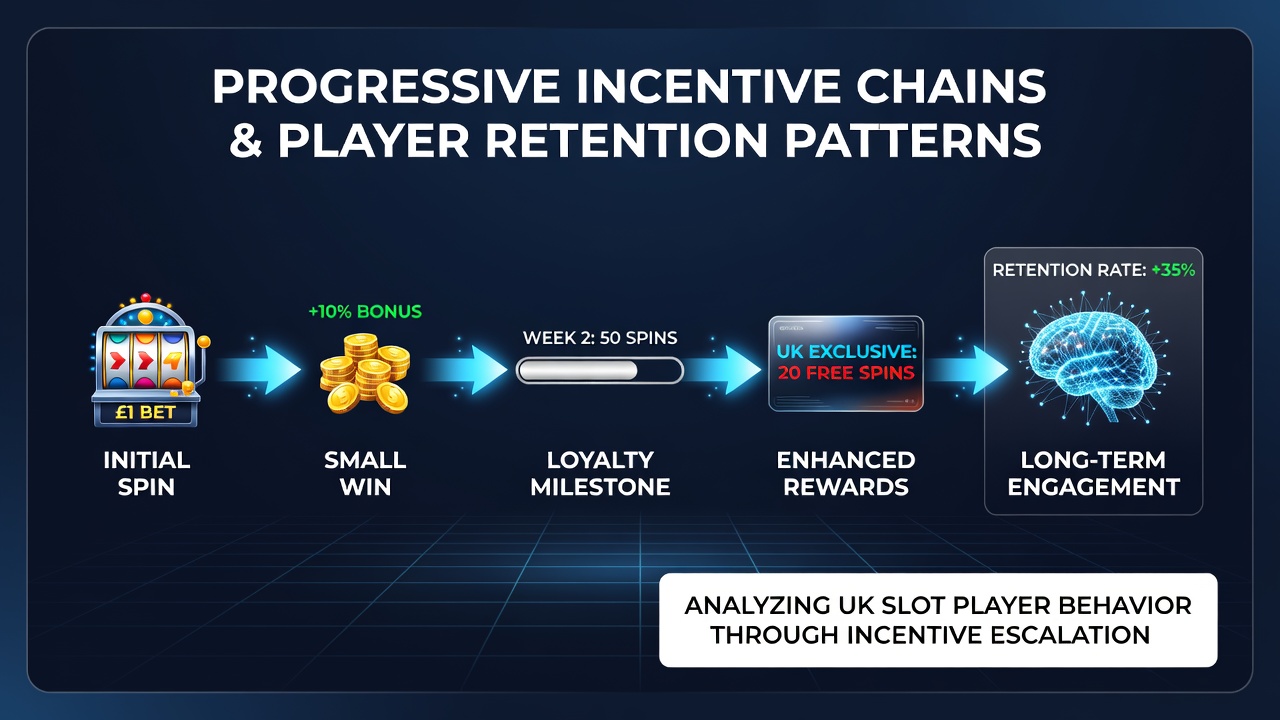
Progressive incentive chains operate as sequenced reward structures that begin with entry-level offers and escalate through deposit matches, spin multipliers, and loyalty milestones, while data from platform analytics indicate these sequences correlate with extended session durations and repeat logins among UK users. Observers note that such chains function by tying each subsequent reward to prior activity thresholds, which creates a continuous engagement loop rather than isolated promotions.
Industry reports compiled in August 2026 highlight how these layered systems appear across multiple mobile applications, where initial no-deposit credits transition into matched deposits once players reach minimum play volumes, and further tiers unlock cashback percentages or tournament entries upon sustained activity. Researchers tracking retention metrics have documented patterns where users who complete early chain stages show higher probabilities of returning within 48 hours compared to those engaging with standalone bonuses.
Mechanics Behind Tiered Reward Progression
Application developers structure these chains so that each completed stage feeds directly into the next requirement, for instance converting free spin winnings into a deposit match eligibility window that expires only after additional spins occur. This linkage means players encounter natural decision points where continuing play advances them toward higher-value incentives, whereas pausing resets progress in some implementations. Figures from European gaming association summaries reveal that applications employing such progressions maintain average user lifetimes 22 percent longer than those relying on flat promotions during comparable periods.
Take one developer who implemented a five-stage chain starting with a small free spin bundle, then requiring a modest deposit to unlock a match bonus, followed by a streak of consecutive days yielding escalating multipliers, and ending with access to exclusive jackpot pools. Platform logs from that rollout showed users advancing past stage three logged in on average 3.4 times more frequently over the subsequent month than those who stopped earlier, according to internal telemetry reviewed by third-party auditors.
Observed Retention Patterns in Mobile Environments
Mobile-specific factors amplify these effects because push notifications and in-app progress trackers remind users of pending chain stages, which reduces drop-off rates between sessions. Data compiled across several UK-facing platforms in mid-2026 indicates that chains incorporating daily login requirements alongside cumulative wager targets produce the strongest retention spikes, with weekly active user counts rising steadily through the first three weeks of a new chain cycle. Those who've studied similar systems in other regions note parallel outcomes where visual progress bars and countdown timers further reinforce the incentive to return before a stage expires.
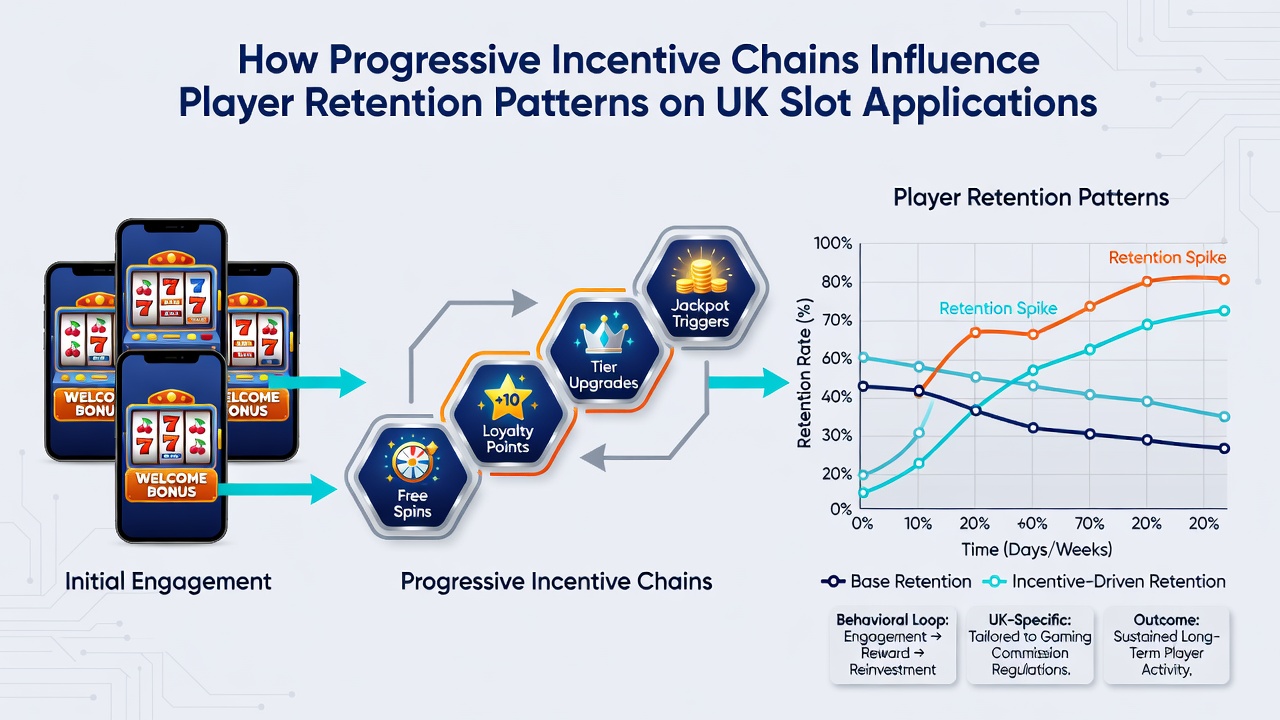
What's significant is how completion rates vary by chain length, because shorter sequences of three to four stages tend to achieve 65 to 70 percent full completion among users who start them, while longer chains see drop-offs concentrated between stages four and six. Academic papers from Canadian research institutions examining comparable loyalty mechanics found that users reaching mid-chain milestones exhibited reduced churn even after the final reward was claimed, suggesting residual habit formation from the progression itself.
Comparative Data Across Application Types
Applications categorized as boutique versus mass-market display distinct responses to progressive chains, since boutique platforms often integrate personalized stage targets based on prior play history, which yields tighter retention curves according to aggregated industry benchmarks. Mass-market apps, by contrast, deploy standardized chains that prioritize volume over customization yet still record measurable lifts in seven-day retention when the chain includes social or competitive elements such as leaderboards tied to stage completion. Reports from Australian regulatory bodies on digital gambling interfaces similarly document that chains blending monetary and non-monetary rewards sustain engagement across demographic segments more effectively than single-reward models.
One study released through a university-affiliated research center in the United States tracked anonymized session data and determined that players exposed to chained incentives returned within the first 24 hours at rates 18 percent above baseline, with the effect compounding when subsequent stages offered escalating perceived value. These patterns hold across both iOS and Android deployments, although Android users showed marginally higher progression completion linked to notification delivery differences.
Conclusion
Progressive incentive chains continue to influence retention by converting isolated player actions into interconnected sequences that reward persistence, and evidence from multiple monitoring sources confirms measurable impacts on login frequency and session length within UK slot applications. Platform operators adjusting chain parameters based on completion analytics achieve more consistent user cohorts, while broader sector data underscore the role these structures play in shaping ongoing engagement trends as of August 2026. Responsible Gambling Council research summaries and Australian Gambling Research Centre publications provide additional context on how such mechanics operate across jurisdictions.