UK Casino Operators Issue Warnings on Proposed Machine Games Duty Increase Ahead of Autumn Budget
Written by Eden Hughes · Oct 18, 2026

UK Casino Operators Issue Warnings on Proposed Machine Games Duty Increase Ahead of Autumn Budget
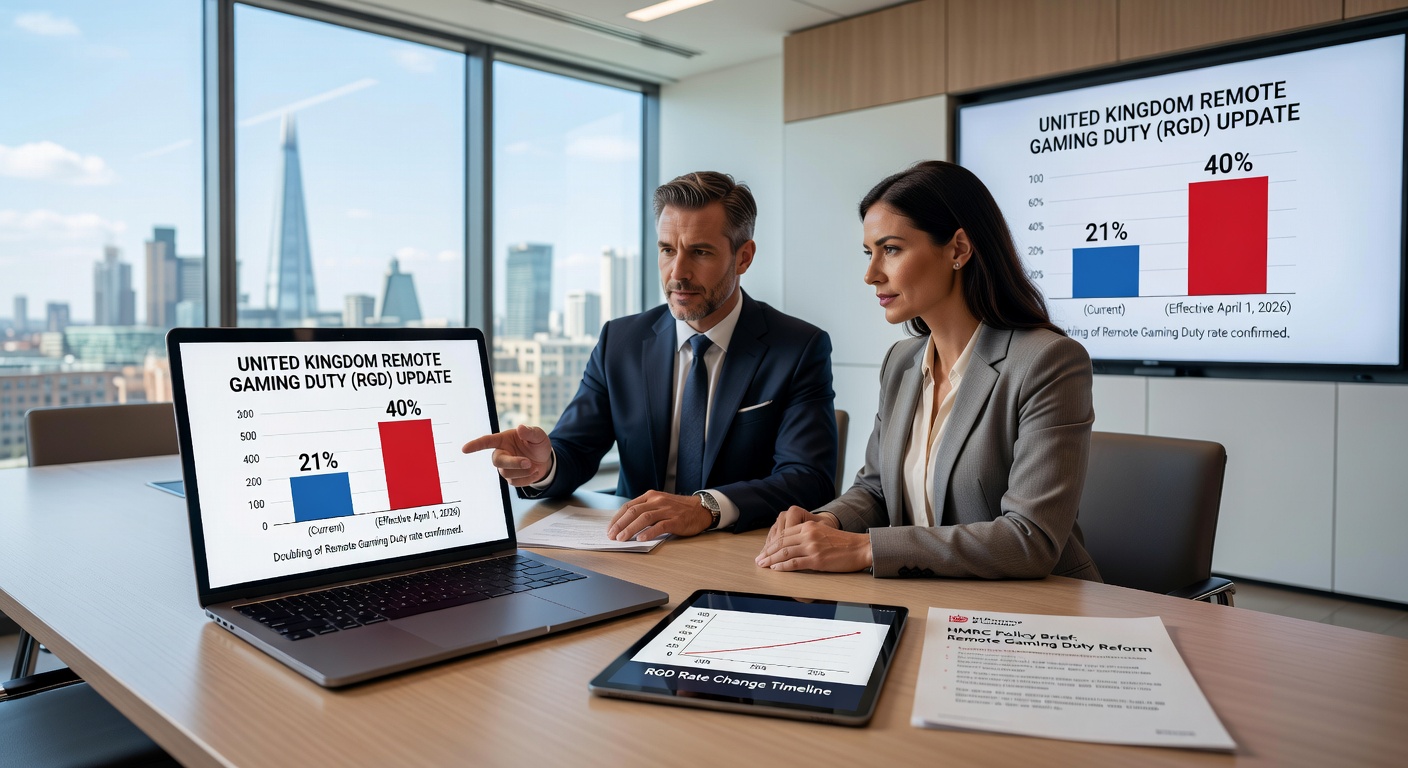
UK casino operators including Genting Casinos have issued warnings that a proposed doubling of Machine Games Duty from 20% to 40% could impede investment, threaten jobs and harm retail businesses even as recent land-based reforms show positive signs. The proposal has surfaced ahead of the autumn Budget and comes at a time when operators are still absorbing changes introduced by the 2025 Gambling Commission reforms that increase the number of slot machines permitted per casino. Paul Willcock, COO of Genting Casinos, highlighted concerns about the tax hike amid ongoing efforts to modernize the sector while noting that the 2025 reforms need time to take full effect before additional fiscal pressures are applied.
Details of the Proposed Tax Change
The Machine Games Duty applies to Category B machines in casinos and other venues and the suggested increase from 20% to 40% represents a significant shift in the tax burden placed on land-based operators. Observers note that such a change would arrive while the industry is still adjusting to regulatory updates rolled out in 2025 that expanded machine allowances and aimed to support modernization. Those who have studied the sector point out that operators have already committed resources to comply with the new machine limits and infrastructure upgrades and that an immediate tax increase risks disrupting those plans. Data from industry statements indicate that the combined effect of higher taxes and ongoing reform implementation could slow expansion projects and reduce the capital available for venue improvements across multiple regions.
Industry Responses and Key Statements
Genting Casinos has taken a leading role in voicing these concerns through its COO Paul Willcock who emphasized that the timing of the proposed duty increase could undermine recent progress. Statements from the company stress that while the 2025 Gambling Commission reforms have opened pathways for growth by allowing more slot machines per location the full benefits require sustained investment and operational stability. Other casino operators have echoed similar points noting that retail businesses connected to casino venues such as restaurants and entertainment facilities could face reduced footfall if investment slows. Figures shared in operator communications reveal that jobs in both direct casino roles and supporting retail positions could come under pressure if the duty rise proceeds without adjustments.
What's notable is the way operators frame the issue around the need for breathing room after the 2025 reforms. Experts have observed that increasing machine numbers per casino has begun to show initial positive effects in some locations yet these gains remain fragile and dependent on continued capital expenditure. Those who've tracked the sector know that abrupt tax changes can interrupt the rollout of new gaming floors and customer experience upgrades that the reforms were designed to encourage. Reports indicate that several operators are now reassessing their investment pipelines in light of the proposed Machine Games Duty adjustment and are communicating these risks directly to policymakers ahead of the autumn Budget.
Context of Recent Reforms and Current Pressures
The 2025 Gambling Commission reforms increased the permitted number of slot machines in casinos and were intended to help land-based venues compete more effectively while maintaining regulatory standards. Operators have reported that adapting to these changes involves substantial planning around space allocation staff training and machine procurement all of which require predictable cost structures. A sudden doubling of Machine Games Duty introduces uncertainty into these calculations and could lead to scaled-back projects or delayed hiring according to statements from affected companies. The warnings also highlight potential downstream effects on retail businesses that operate alongside casinos such as bars and leisure outlets that rely on visitor traffic generated by gaming facilities.
Paul Willcock's comments underscore that the industry recognizes the need for fiscal responsibility but seeks a measured approach that allows recent reforms to stabilize before additional tax measures are introduced. Data referenced in operator briefings shows that land-based casino revenues have been gradually recovering in line with the expanded machine allowances yet this recovery remains sensitive to changes in operating costs. Observers note that the proposed duty increase would apply specifically to Category B machines which form a core part of casino offerings and that the impact would vary by venue size and location. Those monitoring the situation point out that smaller or regional casinos might experience proportionally greater strain compared with larger urban sites that have already begun benefiting from the 2025 machine limit increases.
Potential Impacts on Investment and Employment
Investment decisions in the casino sector often span multiple years and involve commitments to property upgrades technology installations and workforce development. A proposed tax rate change of this magnitude introduces variables that operators say could alter return-on-investment calculations and prompt a more cautious stance on future projects. Employment considerations feature prominently in the warnings with operators indicating that reduced capital spending could translate into slower hiring or even workforce reductions in certain departments. Retail businesses adjacent to casinos could also see ripple effects if lower investment leads to fewer visitors or scaled-down promotional events that drive footfall.
The collective industry position emphasizes that the 2025 reforms were designed to create a more sustainable operating environment for land-based gambling and that additional fiscal pressure at this stage risks reversing early gains. Statements from Genting Casinos and similar operators stress the importance of allowing these reforms to demonstrate their full effect before introducing new tax burdens. Figures discussed in sector communications suggest that the proposed Machine Games Duty adjustment would represent one of the largest single cost increases faced by casinos in recent years and that its implementation timing relative to the reform schedule amplifies the concern.
Conclusion
The warnings issued by UK casino operators including Genting Casinos center on the proposed doubling of Machine Games Duty from 20% to 40% and its potential to affect investment job security and related retail businesses. Paul Willcock's statements along with broader industry commentary highlight the need for policy timing that respects the ongoing rollout of 2025 Gambling Commission reforms. The discussion remains focused on the autumn Budget process where these concerns are being raised with the goal of balancing fiscal objectives against sector stability. Observers continue to monitor developments as operators seek clarity on how any tax changes might be structured or phased to minimize disruption to modernization efforts already underway.